Dubai’s latest accessibility update starts before arrival
On 29 October 2026, Dubai’s Department of Economy and Tourism reported progress in hotel digital services accessibility. A Dubai Digital Authority evaluation found that compliance scores for the assessed hotels rose from 83% in 2024 to 90% in 2026. The announcement connects accessible information with the research and trip-planning stage, when travellers compare accommodation and decide whether it may meet their needs.
Those figures concern digital accessibility across assessed hotels. They do not mean that 90% of Dubai holiday homes are physically accessible, that a particular apartment has been certified, or that accessibility improvements guarantee more bookings. For a holiday-home owner, the useful implication is narrower: guests need information they can understand and use before they arrive.
**BLVD operational analysis:** start by establishing what your property can actually demonstrate. An attractive interior photograph may not reveal a threshold, a narrow doorway or a step between the lobby and lift. Clear information should describe the route and relevant features, not simply apply the word “accessible.” Our Dubai holiday-home property management overview covers the wider operating scope; this guide focuses on the evidence behind access-related listing claims.
Describe specific features rather than deciding who can stay
Airbnb’s “Hosting guests with accessibility needs” guidance says accessibility means different things to different guests. Some need particular layouts or limited steps; others need more information to decide whether a property is suitable. Its guidance places that suitability decision with the guest and asks hosts to provide clear, accurate information and communicate.
A statement such as “step-free route to the entrance, with doorway measurements available” gives a guest something to assess. “Perfect for every wheelchair user” makes a much broader claim that a host cannot establish from one feature. A bathroom may offer a particular adaptation without the entire apartment meeting a guest’s requirements. Mobility access also does not describe every accessibility need; DET’s announcement refers to visual, hearing, sensory and non-visible needs as well.
**BLVD operational analysis:** keep an inventory of individual features and known limitations. Record which room each feature belongs to and distinguish something observed from something still awaiting confirmation. Do not describe an owner’s informal inspection as a legal compliance certificate. Airbnb’s photo-confirmation process is also distinct from government approval or a professional assessment of building accessibility. Accurate detail helps guests make their own decision without turning marketing language into a promise of universal suitability.
Check the entire route from arrival to the apartment
Airbnb’s definition of step-free access to a listing covers the path from the guest’s arrival to the home entrance. For an apartment, that includes exterior pathways, hallways, lifts and other elements encountered along the way. Its photo instructions ask hosts to show the route and the entrance threshold, not only an open door inside the apartment. Feature-specific criteria still apply; a generally level-looking floor is not enough to select an amenity without checking them.
**BLVD operational analysis:** walk the arrival route the guest will actually use. Begin at the relevant drop-off or parking point and note gates, entrances, lift access and corridor changes. Confirm with building management where a different entrance is required or access depends on staff assistance. If an alternative route is available only at certain times, that limitation matters as much as the route itself.
Keep building-dependent information separate from features inside the unit. A lift being present does not establish every doorway width, the ease of reaching it or continuous availability. Check the route again after building works or access changes. If a fact has not been verified, say so and arrange confirmation rather than treating a neighbouring unit’s description as evidence for your property.
Use measurements and feature definitions, not visual estimates
Airbnb’s current listing guidance uses a minimum width of 32 inches, or 81 centimetres, in its wide-entrance feature definitions. It asks for photographs with a measuring tape showing the doorway and the measurement. This is an Airbnb feature criterion, not a statement that meeting that dimension makes a Dubai home legally compliant or suitable for every mobility device.
Measure the actual opening using the relevant platform instructions and show where the measurement was taken. Do not substitute a floor-plan estimate or the nominal size of a door sold by a supplier. For room access, identify the room rather than attaching one front-door measurement to every bedroom and bathroom. Airbnb’s photography guide recommends a wider view alongside a readable close-up so the location and result are understandable.
Bathroom claims require the same care. Airbnb distinguishes a specifically designed shower or bath chair from an ordinary seat and says fixed grab bars must be firmly attached, weight-bearing and not towel racks or suction-mounted substitutes. Record the actual feature and use qualified professionals where installation or verification is needed. **BLVD operational analysis:** do not improvise a safety adaptation for a photograph. Show known thresholds and the current layout, and avoid promising that a guest can transfer, manoeuvre or use equipment safely based only on an amenity label.
Make photographs and written information work together
Airbnb’s “Add accessibility features to listings” page requires at least one clear photograph for each feature. Features appear in the Accessibility features section once confirmed against its photo guidelines. Its photography guide also recommends descriptive captions, multiple perspectives and explanations where only certain rooms offer particular features. A photograph in the ordinary image gallery is not the same as a confirmed accessibility feature.
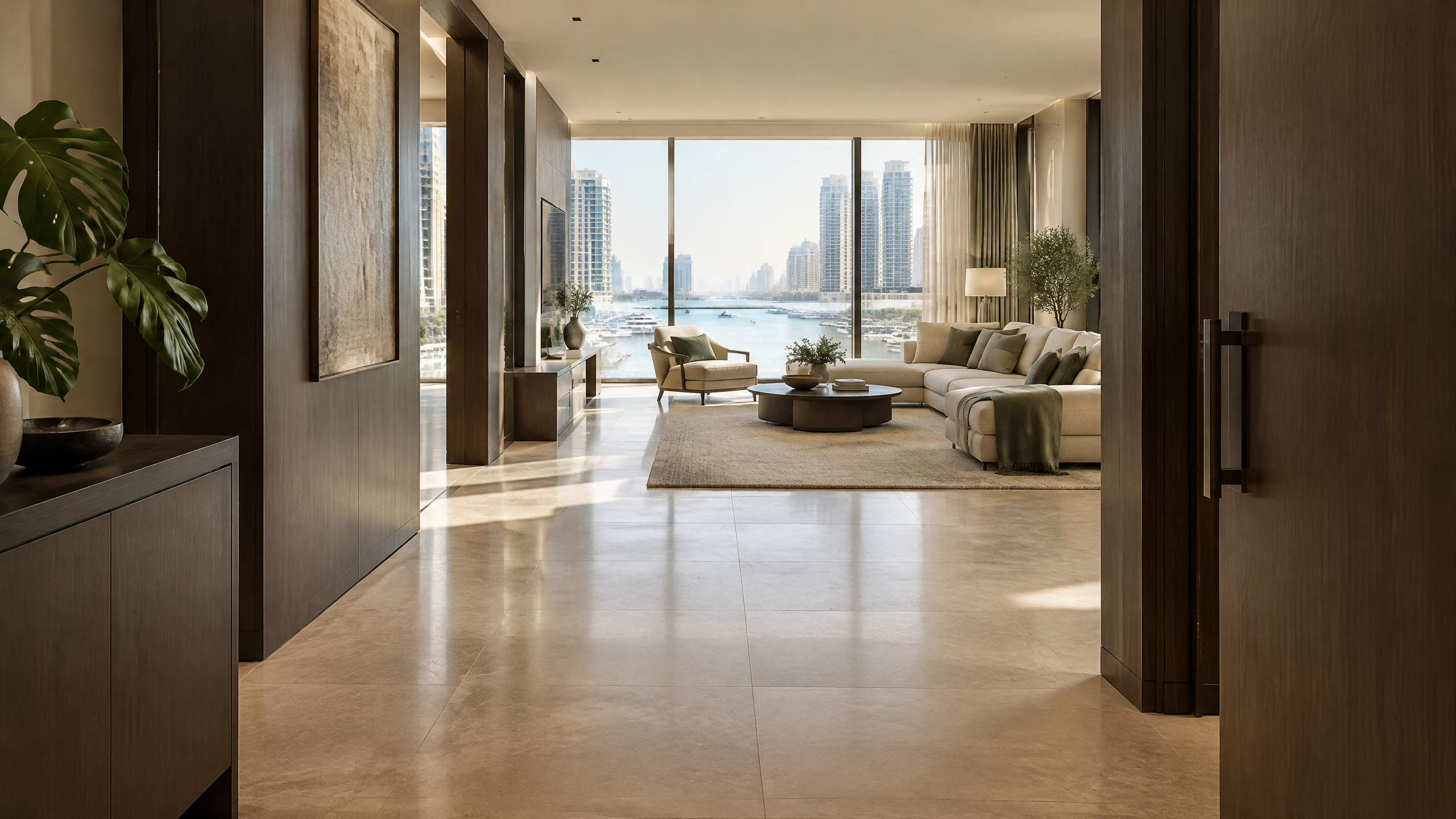
Use real photographs of the property as it will be provided. A generated editorial cover, staged view of a different unit or photograph taken before a layout change should not be used as evidence of a feature. Keep the room context visible and do not crop out a material threshold or obstruction. Where a portable item forms part of the stated arrangement, show and explain what will actually be in place.
**BLVD operational analysis:** give important facts in readable text as well as photographs. A guest should not have to decipher a decorative image to find a measurement or learn that only one bathroom has the relevant access. Use plain captions and a clear way to ask questions. DET’s recent announcement concerns usable digital channels; applying that principle to accurate property information is our analysis, not a claim that these listing steps satisfy every digital accessibility standard.
Let guests ask functional questions without assumptions
Airbnb advises hosts to answer questions promptly and consider reasonable, safe adjustments, such as moving lightweight furniture or placing household items in an agreed location. Its guidance says hosts should not decide suitability for the guest or decline a reservation simply because the guest has a disability. The applicable platform policies should be checked for the actual situation rather than reduced to a single marketing phrase.
**BLVD operational analysis:** invite questions about the route, doorway measurements, room arrangement and equipment offered. Ask which property details the guest would like clarified, not for a diagnosis to justify answering them. Avoid assuming that every wheelchair user needs the same setup or that someone whose needs are not visible needs no further information. Record only operational information needed to deliver an agreed arrangement.
Confirm what can be done safely and what remains uncertain. A request to move a light chair is different from relocating heavy furniture or installing equipment without proper assessment. If the team cannot yet confirm a measurement or building-access arrangement, explain that and follow up. Do not promise personal care, lifting assistance or specialist services that are not part of the accommodation offer. Clear limits and respectful communication are more useful than reassurance the team cannot support.
Keep the information accurate between stays
Access information can become outdated even when the building has not changed. A furniture rearrangement may narrow a path; a replacement bathroom fitting may differ from the photograph; a temporary delivery can obstruct a circulation area. BLVD’s suggested operating record connects each claimed feature with the room or route, the dated observation and the supporting photograph. It is a practical management aid, not an official inspection form.
Before an arrival with an agreed arrangement, confirm that the relevant items and pathways match what was communicated. Review the record after a refurbishment, equipment change or building-access notice. Retain unresolved questions instead of replacing them with an unqualified “yes.” An owner can then see which claims are evidenced, which need updating and which should not be promoted yet.
Airbnb also says listings managed through full-sync property-management software need accessibility amenity updates through the API software. Check the correct editing route with the manager or software provider rather than assuming a change has reached every listing. For layout work, our holiday-home interior design service can support a discussion of circulation and furniture placement. Structural adaptations or specialist safety assessments should involve the relevant qualified professionals and required permissions; a styling conversation is not a compliance assessment.
Ask for evidence before making an accessibility claim
An owner’s useful review question is: “Can a prospective guest see the route and the relevant features clearly enough to decide what else they need to ask?” Request current photographs, identified measurements and an explanation of building-dependent access. Check that the listing describes specific rooms and limitations rather than relying on a blanket “wheelchair-accessible” label.
DET’s 29 October update provides the current tourism context. Airbnb’s feature definitions, photo process and hosting guidance provide the platform-specific detail. BLVD’s route record and ongoing review process are operational analysis. None of these sources supports a promised rental premium, occupancy increase or a finding that a particular home meets every guest’s needs. Do not interpret hotel digital-compliance scores as a new holiday-home construction rule.
If you would like to review the information and operating arrangements for an existing Dubai holiday home, contact BLVD for a property-readiness conversation. Start with the area, floor and room layout; medical information is not needed for an initial owner enquiry. The aim is clearer evidence and communication, not a guaranteed booking outcome or a personal legal, financial, tax, investment or medical recommendation. Check current platform requirements and obtain qualified property-specific advice where necessary.
Research sources
Sources reviewed for this article
- Dubai hotels make strong progress in digital services accessibility — Dubai Department of Economy and Tourism (29 October 2026)
- Add accessibility features to listings — Airbnb Help Center
- How to photograph accessibility features — Airbnb Resource Center (22 September 2020; updated 2 December 2024)
- Hosting guests with accessibility needs — Airbnb Help Center