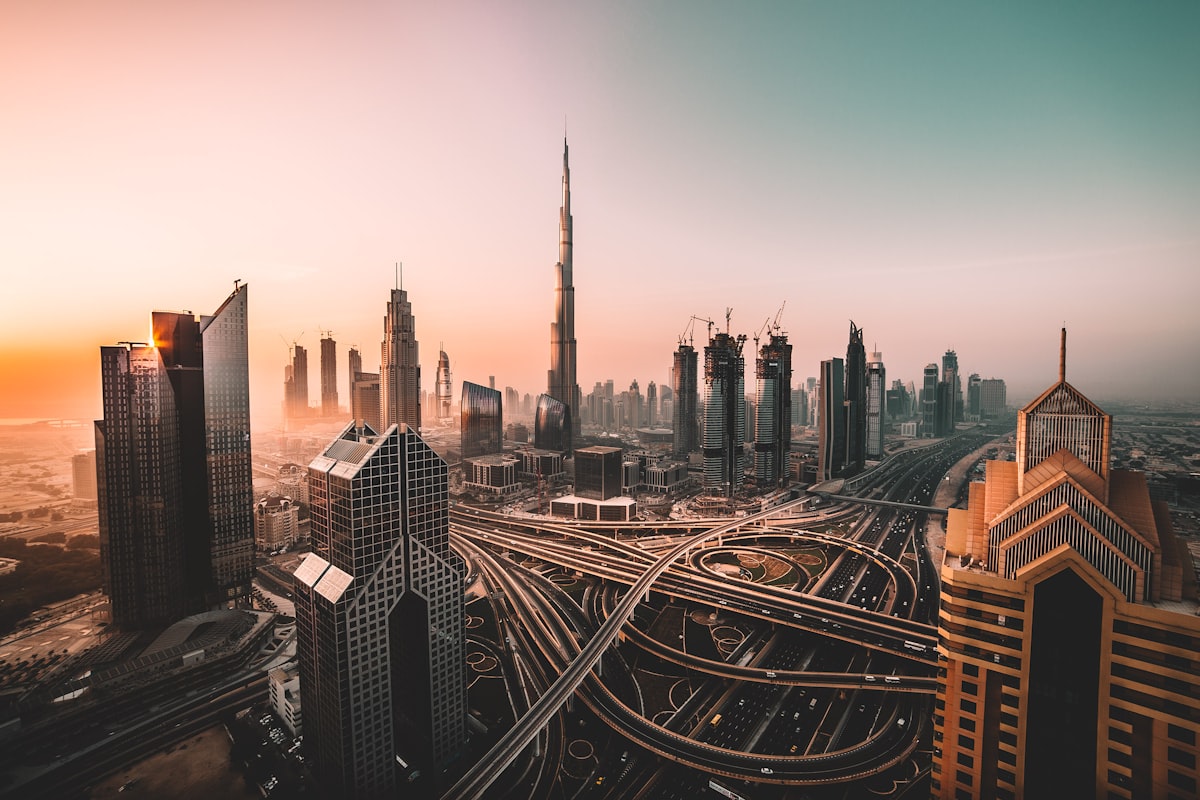
There is no point in pretending otherwise: the escalation of tensions across the Middle East has sent ripples through Dubai's tourism and short-term rental sector. Flight cancellations, cautious travellers, and negative headlines have all contributed to a noticeable dip in bookings during the first quarter of 2026. For property owners, the uncertainty can feel unsettling.
But uncertainty and opportunity have always been neighbours in Dubai. The city has weathered the 2008 financial crisis, the 2020 pandemic, and multiple regional flare-ups — each time emerging stronger, more diversified, and more attractive to global capital. The current situation, while serious, is no different in its underlying trajectory.
Acknowledging the Immediate Impact
Transparency matters, so let's start with the facts. Short-term rental occupancy rates across Dubai dipped by an estimated 12–18% in February and March 2026 compared to the same period last year, according to industry data. Some source markets — particularly European leisure travellers — have delayed or rerouted trips. Airlines have adjusted schedules, and travel insurance premiums for the region have risen.
Nightly rates in popular areas like Dubai Marina and JBR have softened by 8–15% as operators compete for a smaller pool of active travellers. Properties that rely heavily on a single source market or a single booking platform have felt the squeeze most acutely.
This is real, and any property owner or manager who dismisses it is not paying attention.
Why Dubai's Fundamentals Remain Exceptionally Strong
What separates Dubai from other markets facing geopolitical headwinds is the depth and diversity of its economic foundation. Consider the following:
Dubai recorded over AED 920 billion in real estate transactions in 2025 — the highest in its history. This was not speculative leverage; analysts at Fitch and Knight Frank have noted that the current market is equity-driven, meaning buyers are purchasing with cash rather than debt. That structural difference makes the market far more resilient to external shocks.
The UAE's non-oil GDP continues to grow, fuelled by fintech, logistics, healthcare, and the creative economy. Dubai's population has surged past 3.8 million, with tens of thousands of new residents arriving annually from Russia, India, China, the UK, and Africa. These residents need housing — and many prefer the flexibility of short-term rentals while they settle in.
Critically, Dubai's geographic position as a global connector between East and West has not changed. When tensions ease — and historically, they always do — the pent-up demand from deferred travel will create a significant booking surge.
The Opportunity Hidden Inside the Disruption
Every market correction creates a window for well-positioned operators. Here is what smart property owners are doing right now:
**Locking in longer stays.** With some short-stay demand softening, there is a growing segment of corporate relocators, digital nomads, and regional travellers who prefer monthly or quarterly rentals. These guests provide stable, predictable income with lower turnover costs. Properties managed by BLVD Holiday Homes are already being marketed across mid-term platforms to capture this demand.
**Upgrading during the quiet period.** Lower occupancy means more availability for renovations, professional photography refreshes, and interior upgrades. Owners who invest now will be positioned with superior listings when demand rebounds — and the competition will still be catching up.
**Diversifying source markets.** Dubai's appeal extends far beyond Europe. Travellers from India, China, Southeast Asia, and Africa continue to arrive in strong numbers. A well-optimised listing that speaks to multiple demographics — through multilingual descriptions, culturally aware amenity choices, and targeted platform placement — captures demand that single-market operators miss entirely.
**Negotiating better supplier rates.** Cleaning services, maintenance contractors, and furnishing suppliers are all more willing to negotiate during softer periods. Locking in favourable contracts now directly improves your margins when volume returns.
What History Tells Us About Recovery Timelines
Dubai's track record of post-disruption recovery is remarkably consistent. After the 2020 pandemic brought global tourism to a standstill, Dubai was among the first cities in the world to reopen — and by 2022, its short-term rental market had not only recovered but exceeded pre-pandemic levels by over 30%.
The 2008 financial crisis saw property values fall by nearly 50%, yet within five years Dubai had rebuilt and surpassed its previous peak. The city's ability to reinvent, invest in infrastructure, and attract global talent is not accidental — it is the result of deliberate government strategy and a regulatory environment that favours growth.
Analysts at JLL and CBRE have noted that even in the current environment, transaction volumes remain healthy, new project launches continue, and the pipeline of mega-events — including expanded Expo City programming, new entertainment venues, and the continued growth of DIFC and DMCC — ensures a steady stream of business and leisure visitors.
Protecting Your Income During Uncertain Periods
The difference between a property that weathers a downturn and one that suffers lies almost entirely in management quality. Here are the levers that matter most:
**Dynamic pricing that responds in real time.** Static pricing during a demand dip means either empty nights or unnecessarily low rates. BLVD Holiday Homes uses data-driven pricing tools that adjust nightly rates based on real-time demand, competitor activity, and booking velocity — ensuring your property captures every available booking at the optimal price point.
**Multi-platform distribution.** Properties listed on a single platform are vulnerable to that platform's algorithm changes and market shifts. Our listings are distributed across Airbnb, Booking.com, Marriott Homes & Villas, Vrbo, and direct booking channels, ensuring maximum visibility regardless of where travellers are searching.
**Superhost and Guest Favorite status.** Our portfolio-wide Superhost and Guest Favorite badges mean your property ranks higher in search results, commands premium rates, and attracts higher-quality guests — even when overall demand is softer. This competitive advantage becomes even more valuable during challenging periods.
**Transparent reporting through our Owner App.** You should never have to wonder how your property is performing. Our Owner App provides real-time visibility into bookings, revenue, expenses, and occupancy — so you can make informed decisions based on data, not anxiety.
Looking Ahead: Why We Remain Confident
Dubai is not a city that stands still. Even as regional headlines create short-term noise, the underlying momentum is unmistakable. The UAE's diplomatic relationships continue to expand, visa reforms are attracting new resident categories, and infrastructure investment shows no signs of slowing.
For holiday home owners, the question is not whether demand will return — it is whether your property will be positioned to capture it when it does. The owners who maintain their properties, keep their listings optimised, and partner with experienced managers will be the ones who benefit most from the inevitable rebound.
At BLVD Holiday Homes, we are using this period to strengthen our operations, deepen our platform relationships, and ensure every property in our portfolio is ready for what comes next. If you are a property owner navigating this uncertainty, we would welcome the conversation.